
Stone Patio vs. Elevated Deck: Which Adds More Value to Your Virginia Home?
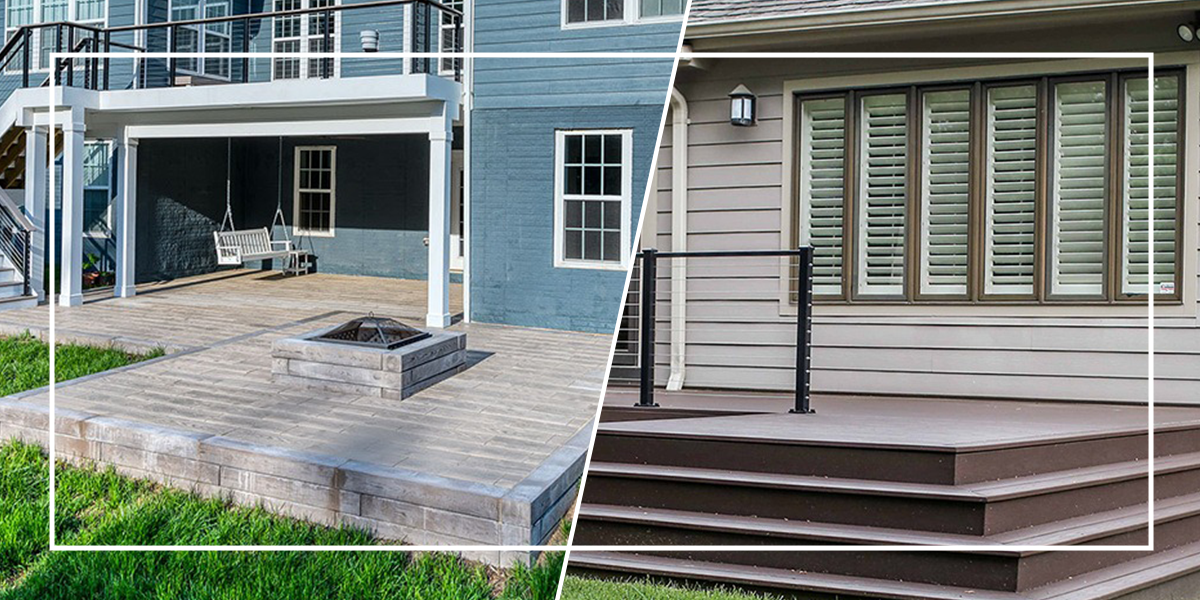
Northern Virginia has the perfect climate for enjoying time outdoors. If you're dreaming of expanding your living space into the open air, chances are you're torn between a deck and a patio. Both create inviting areas for entertaining friends, relaxing after a long day, or dining alfresco. These smart investments increase your property's worth while improving your lifestyle.
But which adds more value to your Virginia home — a stone patio or a deck? The answer depends on cost, maintenance requirements, longevity, and your property's terrain.
Learn how each of these factors impacts value so you can make the best choice for your needs.
Differences Between a Deck and a Patio
A deck is a raised, open-air platform built from wood or composite boards. Structural elements like joists, beams, and posts give a deck the support it needs to feel sturdy and secure. The added height can give your family a better vantage point for relaxing, hosting, or taking in the view.
Patios are ground-level surfaces made of stone, concrete, or pavers, often installed at the back of a home. A custom patio can complement your landscape. It blends with your home’s architecture and creates a ground-level space designed around your needs.
Factors That Affect the Home Value of a Deck vs. a Patio
These are the most important elements that influence the value a deck or patio adds to your property:
1. Cost and Return on Investment
The cost of a deck or patio addition depends on square footage, building materials, labor, permits, and design complexity. Decks can cost anywhere from $11,000 to $29,000, while patios run from $5,000 to over $15,000.
For many homeowners, the best choice is the one that balances cost, usefulness, and added home value. Deck additions can recoup as much as 95% of their costs at resale, while backyard patios have a lower ROI of around 46%.
2. Northern Virginia Terrain
Northern VA's terrain is a mix of flat coastal lowlands, rolling hills, and rugged mountain ridges. Many yards have heavy clay soil that shifts during freeze-thaw cycles. These local conditions can shape which outdoor structure will perform best for your home:
- Slopes and rolling hills: Decks work better for uneven terrain. Support posts and framing keep the surface level on bumpy or sloped ground. On severe slopes, a patio would need extensive grading with retaining walls. A raised deck costs less and offers simpler construction.
- Flat yards: A level surface makes an ideal foundation for a patio. Starting with flat, stable ground avoids the expense of regrading or terracing a hilly yard.
- Rocky or poor soil: Decks are easier to install when soil conditions make pouring concrete challenging. Patios excel with stable clay soil, proper installation, and good drainage.
3. Regional Climate Conditions
The temperate NoVa climate lets you use your deck or patio throughout most of the year. Still, it's important to choose materials that can handle moisture, heat, and winter wear.
Here's how the climate contributes to the patio-versus-deck debate:
- Humid summers: Dark-colored patios in sunny areas can become hot underfoot, so opt for lighter-colored stone or pavers. Wood decks need protection from UV rays and humidity through sealing. Shade structures on either option help you beat the summer heat.
- Snowy winters: Freeze-thaw cycles damage wood decks without proper treatment, so consider composite as an alternative. Concrete patios can crack, but proper installation and drainage reduce this risk.
- Wet seasons: Elevated decks allow better water runoff, but sealing wood decking against moisture is a must. Composite decks resist moisture better than natural wood. Patios need proper drainage during spring rains to prevent water pooling.
4. Maintenance Requirements
Maintenance affects how much time, effort, and money you’ll put into the space after installation. Neither option is maintenance-free.
These maintenance tasks help keep your deck in top condition:
- Annual inspection: Check your deck for damage at least once a year, especially after winter.
- Wood decks: Clean wood decks annually with deck cleaner and apply water-repellent sealant every two to three years.
- Composite decks: A twice-yearly clean with soap and water is typically enough for a good-looking composite deck.
- Regular sweeping: Clear leaves, dirt, and debris from your wood or composite deck, including gaps between boards.
- Board replacement: Replace damaged or warped boards as needed.
- Hardware checks: Tighten and inspect all hardware regularly.
- Airflow and drainage: Trim vegetation around the deck and maintain proper drainage.
Treating your patio to some TLC is a necessity:
- Regular sweeping: Use a broom to remove debris from the patio surface.
- Paver upkeep: Level any pavers that have shifted from ground movement and replace damaged pavers if necessary.
- Concrete resealing: Reseal your concrete patio every few years to protect against freeze-thaw damage.
- Crack filling: Fill cracks in concrete patios to prevent them from worsening in winter.
5. Visual Appeal and Usability
A well-designed deck can make your backyard feel larger by adding a raised area for seating, grilling, and gathering. It can accommodate furniture, hot tubs, and grills. You can customize your deck with multiple levels or steps.
Patios have a grounded, organic look that integrates with surrounding landscaping, especially when using natural stone or pavers. They accommodate firepits, outdoor kitchens, or small ponds.
Both options suit entertaining, but a deck provides elevation and separation for cooking and dining. Decks work better for open views, while patios can provide more shelter and privacy. A patio lets you wander seamlessly from your living room to the outside space.
6. Material Considerations
Your material choice influences the look, feel, upkeep, and performance of the finished project. Some popular deck materials in NoVa include:
- Wood: The rich colors and natural beauty of wood create a warm, welcoming space. You can stain it in various colors to complement your aesthetic. Remember, wood demands regular care to maintain its appearance and structural integrity.
- Composite: This material strikes a balance, blending wood fibers with plastic. A composite deck offers the look and character of real wood decking with less upkeep.
- PVC: Lightweight, synthetic plastic resists moisture, rot, mold, and mildew.
Stone, brick, porcelain, and concrete are the most common patio materials. Natural stone patios have an organic look that blends well with the surrounding landscape. With porcelain pavers, you can replace a single damaged paver. A brick patio offers versatile pattern options for a custom look, while stamped concrete can mimic other materials.
7. Longevity and Durability
A durable deck or patio gives you more years of use from your investment. Wood decks typically have a 10- to 15-year lifespan, while durable PVC or composite decking lasts 25 to 30 years or more. Brick and concrete patios have a life expectancy of 15 to 25 years. Proper maintenance affects longevity — the better you care for your addition, the longer it will last.
Making the Best Choice for Your Home
The right choice boils down to how you want to use the space, your preferred look, and the amount of upkeep you’re comfortable with. That said, there are certain circumstances where a deck or patio — or both — could make more sense:
Enjoy the Views With an Elevated Deck
An elevated deck might be your best option if:
- You want an elevated view of your landscape or yard.
- Matching your home's floor level to the deck surface will create a seamless flow.
- Your property has uneven or sloped terrain.
- Rocky or challenging soil conditions make ground-level construction complicated.
Connect Indoors and Outdoors With a Stone Patio
Opt for a patio when:
- You prefer a ground-level space that integrates with landscaping or outdoor features.
- Plans include an outdoor kitchen, firepit, or other heavy hardscape element.
- Your property has flat, level terrain.
- Stable, clay soil in your yard suits patio installation better.
Get the Best of Both Worlds With a Deck-Patio Combination
Still undecided? Why not choose a deck and a patio? Here's why it makes sense:
- You get more usable horizontal and vertical outdoor space.
- You can use the zones for different purposes, like entertaining on the deck and cooking on the patio.
- A stone patio and wood or composite deck create a visually interesting contrast.
- Different levels add depth and dimension to your backyard.
Let Steadfast Construction Bring Your Dream Deck or Patio to Life
Whether you choose a deck, patio, or both, Steadfast Construction can make it happen. We'll even help you make the best choice based on your goals, property features, and terrain.
Exceptional craftsmanship defines every custom deck and patio project. You benefit from skilled foremen who have been with us for 15 years or more. They know the best materials for the climate, proven construction techniques, and local permitting requirements. We've completed thousands of successful transformations throughout Northern Virginia.
Let's build the outdoor space of your dreams. Connect with us to tell us about your project or request an appointment.